Buy unterricht.eu ?
We are moving the project
unterricht.eu .
Are you interested in purchasing the domain
unterricht.eu ?
domain@kv-gmbh.de · 0541-91531010
Buy unterricht.eu ?
Why do men a priori not want a relationship?
Men may a priori not want a relationship for a variety of reasons. Some men may prioritize their independence and freedom, and feel that a relationship could restrict their ability to pursue their own interests and goals. Others may have had negative past experiences in relationships that have made them hesitant to commit to another one. Additionally, societal pressures and expectations around masculinity may lead some men to believe that being in a relationship is not as important or desirable as other pursuits. Ultimately, each individual's reasons for not wanting a relationship a priori will vary, and it's important to approach each person with an open mind and understanding. **
Why is causality an a priori concept in Kant's philosophy?
Causality is considered an a priori concept in Kant's philosophy because it is a fundamental principle that structures our understanding of the world before any experience. According to Kant, causality is not derived from sensory experience but is a necessary framework through which we interpret and make sense of our experiences. It is a priori in the sense that it is a universal and necessary condition for the possibility of experience, shaping our perception of the world and allowing us to make sense of the relationships between events. Kant argues that without the concept of causality, we would not be able to understand the regularities and connections in the world around us. **


Similar search terms for A priori
Top-Angebote
Products related to A priori:
-
Scholastic Teaching Resources Sight Word Readers Classroom Box SetJumpstart reading success with this irresistible collection of 125 little books that introduce and reinforce the first 50 must-know sight words! Each set includes a sturdy storage box stocked with 5 copies of 25 delightful tales—each presenting two...101,99 $*Shipping: 0,00 $Secure redirect to the provider
-
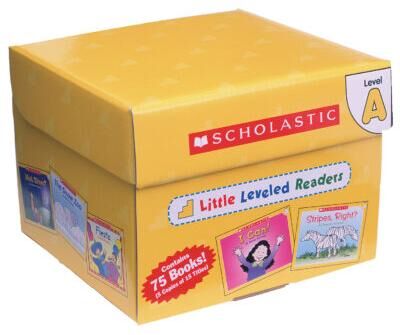
Scholastic Teaching Resources Little Leveled Readers: Level A Box SetA step-by-step, book-by-book program that guides children through the early stages of reading. Each book, carefully evaluated by a reading specialist to correlate with the Guided Reading Levels, is leveled to address the early stages of a child's...36,99 $*Shipping: 0,00 $Secure redirect to the provider
-
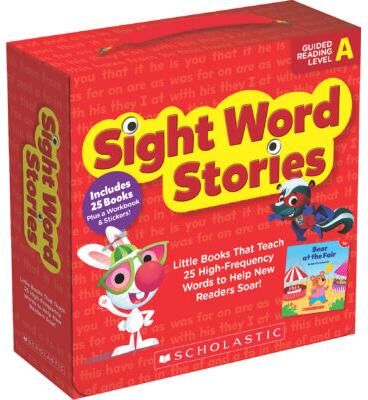
Scholastic Teaching Resources Sight Word Stories: Level A (Parent Pack)This bright red box contains 25 little books that each teach a must-know sight word via a playful, easy-to-read story. Characters include pugs, bugs, monsters, talking boots, silly superheroes, and more to make learning extra enjoyable. Comes with a...20,39 $*Shipping: 0,00 $Secure redirect to the provider
-
Scholastic Teaching Resources Guided Science Readers Pack (Levels A-D)Set your child on the path to reading success with these exciting collections of little books on favorite science topics. This set includes:Guided Science Readers Pack AGuided Science Readers Pack BGuided Science Readers Pack CGuided Science Readers...61,16 $*Shipping: 0,00 $Secure redirect to the provider


-
Can you provide a clearer explanation for Kant's a priori and a posteriori?
Certainly! In philosophy, a priori knowledge is knowledge that is independent of experience, meaning it can be known to be true without needing to be verified through observation or experimentation. A posteriori knowledge, on the other hand, is knowledge that is derived from experience or empirical evidence. Kant argued that a priori knowledge is based on innate concepts and principles that are necessary for understanding the world, while a posteriori knowledge is contingent on sensory experience. **
-
Can someone explain to me what exactly a priori and a posteriori are?
A priori and a posteriori are terms used in philosophy to categorize types of knowledge. A priori knowledge is knowledge that is independent of experience, meaning it can be known to be true or false without needing to be verified through observation or experimentation. A posteriori knowledge, on the other hand, is knowledge that is derived from experience, observation, or empirical evidence. In simpler terms, a priori knowledge is based on reason and logic, while a posteriori knowledge is based on sensory perception and empirical evidence. **
-
Can you give a more vivid explanation for Kant's a priori and a posteriori?
Certainly! A priori knowledge refers to knowledge that is independent of experience, meaning it is based on reason and logic alone. This type of knowledge is universal and necessary, such as mathematical truths or the laws of logic. On the other hand, a posteriori knowledge is derived from experience and empirical evidence. This type of knowledge is contingent and particular, as it is based on observations and sensory perceptions. In essence, a priori knowledge is innate and known prior to experience, while a posteriori knowledge is acquired through experience. **
-
What is the difference between a learning plan and a curriculum?
A learning plan is a personalized roadmap that outlines an individual's learning goals, objectives, and strategies to achieve those goals. It is tailored to the specific needs, interests, and learning styles of the learner. On the other hand, a curriculum is a structured set of educational content, objectives, and activities designed to guide the teaching and learning process in a particular subject or area of study. It is typically standardized and used across multiple learners or classrooms. While a learning plan is flexible and adaptable to the individual, a curriculum is more fixed and standardized. **

Should one learn teaching before teaching learning?
It is important to have a solid understanding of teaching methods and strategies before embarking on the journey of teaching others. Learning how to effectively communicate information, engage students, and assess their understanding are essential skills that can be acquired through formal education or training in teaching. By learning teaching techniques first, one can better support the learning process and create a more effective and engaging learning environment for their students. **
What is the difference between teaching special education and teaching special education?
Teaching special education involves working with students who have various learning disabilities or special needs, providing individualized instruction and support to help them succeed academically. On the other hand, teaching special education involves focusing on a specific area within special education, such as teaching students with autism, emotional or behavioral disorders, or intellectual disabilities. Both roles require specialized training and a deep understanding of how to best support students with diverse learning needs. **
Top-Angebote
Products related to A priori:
-
Perfect Picks Market Kids Learning Clock Silent Analog Teaching Wall Clock For Classroom & Bedroom Inch black 8 InchTransform learning into an exciting daily adventure with this Kids learning clock designed to help children master time with confidence. Featuring colorful numbers, clearly marked hands, and an easytoread analog display, it's perfect for young...54,97 $*Shipping: 0,00 $Secure redirect to the provider
-
JoyToys Montessori Wooden Learning Clock Time Teaching Puzzle For Kids Montessori Wooden Learning Clock Time Teaching Puzzle For KidsLearn through play with our wooden learning clock, designed to help children confidently understand time while developing essential early learning skills. This engaging Montessori clock combines handson puzzle play with interactive time practice,...29,97 $*Shipping: 0,00 $Secure redirect to the provider
-
Scholastic Teaching Resources Sight Word Readers Classroom Box SetJumpstart reading success with this irresistible collection of 125 little books that introduce and reinforce the first 50 must-know sight words! Each set includes a sturdy storage box stocked with 5 copies of 25 delightful tales—each presenting two...101,99 $*Shipping: 0,00 $Secure redirect to the provider
-
Scholastic Teaching Resources Little Leveled Readers: Level A Box SetA step-by-step, book-by-book program that guides children through the early stages of reading. Each book, carefully evaluated by a reading specialist to correlate with the Guided Reading Levels, is leveled to address the early stages of a child's...36,99 $*Shipping: 0,00 $Secure redirect to the provider
-
Why do men a priori not want a relationship?
Men may a priori not want a relationship for a variety of reasons. Some men may prioritize their independence and freedom, and feel that a relationship could restrict their ability to pursue their own interests and goals. Others may have had negative past experiences in relationships that have made them hesitant to commit to another one. Additionally, societal pressures and expectations around masculinity may lead some men to believe that being in a relationship is not as important or desirable as other pursuits. Ultimately, each individual's reasons for not wanting a relationship a priori will vary, and it's important to approach each person with an open mind and understanding. **
-
Why is causality an a priori concept in Kant's philosophy?
Causality is considered an a priori concept in Kant's philosophy because it is a fundamental principle that structures our understanding of the world before any experience. According to Kant, causality is not derived from sensory experience but is a necessary framework through which we interpret and make sense of our experiences. It is a priori in the sense that it is a universal and necessary condition for the possibility of experience, shaping our perception of the world and allowing us to make sense of the relationships between events. Kant argues that without the concept of causality, we would not be able to understand the regularities and connections in the world around us. **
-
Can you provide a clearer explanation for Kant's a priori and a posteriori?
Certainly! In philosophy, a priori knowledge is knowledge that is independent of experience, meaning it can be known to be true without needing to be verified through observation or experimentation. A posteriori knowledge, on the other hand, is knowledge that is derived from experience or empirical evidence. Kant argued that a priori knowledge is based on innate concepts and principles that are necessary for understanding the world, while a posteriori knowledge is contingent on sensory experience. **
-
Can someone explain to me what exactly a priori and a posteriori are?
A priori and a posteriori are terms used in philosophy to categorize types of knowledge. A priori knowledge is knowledge that is independent of experience, meaning it can be known to be true or false without needing to be verified through observation or experimentation. A posteriori knowledge, on the other hand, is knowledge that is derived from experience, observation, or empirical evidence. In simpler terms, a priori knowledge is based on reason and logic, while a posteriori knowledge is based on sensory perception and empirical evidence. **
Similar search terms for A priori
-
Scholastic Teaching Resources Sight Word Stories: Level A (Parent Pack)This bright red box contains 25 little books that each teach a must-know sight word via a playful, easy-to-read story. Characters include pugs, bugs, monsters, talking boots, silly superheroes, and more to make learning extra enjoyable. Comes with a...20,39 $*Shipping: 0,00 $Secure redirect to the provider
-
Scholastic Teaching Resources Guided Science Readers Pack (Levels A-D)Set your child on the path to reading success with these exciting collections of little books on favorite science topics. This set includes:Guided Science Readers Pack AGuided Science Readers Pack BGuided Science Readers Pack CGuided Science Readers...61,16 $*Shipping: 0,00 $Secure redirect to the provider
-
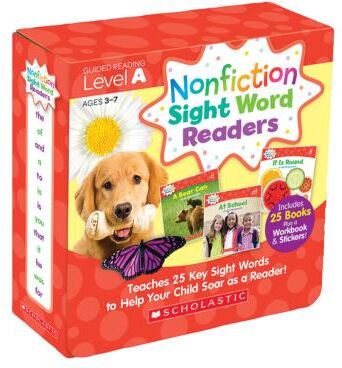
Scholastic Teaching Resources Nonfiction Sight Word Readers Parent Pack Level AParents can set the stage for their child to soar with these just-right books that teach the first 100 Fry sight words! Each box incParents can set the stage for their child to soar with these just-right books that teach the first 100 Fry sight...23,99 $*Shipping: 0,00 $Secure redirect to the provider
-
Perfect Picks Market Kids Learning Clock Silent Analog Teaching Wall Clock For Classroom & Bedroom Inch white 8 InchTransform learning into an exciting daily adventure with this Kids learning clock designed to help children master time with confidence. Featuring colorful numbers, clearly marked hands, and an easytoread analog display, it's perfect for young...54,97 $*Shipping: 0,00 $Secure redirect to the provider
-
Can you give a more vivid explanation for Kant's a priori and a posteriori?
Certainly! A priori knowledge refers to knowledge that is independent of experience, meaning it is based on reason and logic alone. This type of knowledge is universal and necessary, such as mathematical truths or the laws of logic. On the other hand, a posteriori knowledge is derived from experience and empirical evidence. This type of knowledge is contingent and particular, as it is based on observations and sensory perceptions. In essence, a priori knowledge is innate and known prior to experience, while a posteriori knowledge is acquired through experience. **
-
What is the difference between a learning plan and a curriculum?
A learning plan is a personalized roadmap that outlines an individual's learning goals, objectives, and strategies to achieve those goals. It is tailored to the specific needs, interests, and learning styles of the learner. On the other hand, a curriculum is a structured set of educational content, objectives, and activities designed to guide the teaching and learning process in a particular subject or area of study. It is typically standardized and used across multiple learners or classrooms. While a learning plan is flexible and adaptable to the individual, a curriculum is more fixed and standardized. **
-
Should one learn teaching before teaching learning?
It is important to have a solid understanding of teaching methods and strategies before embarking on the journey of teaching others. Learning how to effectively communicate information, engage students, and assess their understanding are essential skills that can be acquired through formal education or training in teaching. By learning teaching techniques first, one can better support the learning process and create a more effective and engaging learning environment for their students. **
-
What is the difference between teaching special education and teaching special education?
Teaching special education involves working with students who have various learning disabilities or special needs, providing individualized instruction and support to help them succeed academically. On the other hand, teaching special education involves focusing on a specific area within special education, such as teaching students with autism, emotional or behavioral disorders, or intellectual disabilities. Both roles require specialized training and a deep understanding of how to best support students with diverse learning needs. **
* All prices are inclusive of VAT and, if applicable, plus shipping costs. The offer information is based on the details provided by the respective shop and is updated through automated processes. Real-time updates do not occur, so deviations can occur in individual cases. ** Note: Parts of this content were created by AI.